THE TRIP THAT STARTED EVERYTHING
From Venezuela at 17 to the Royal Marines, Antarctica and Swedish Lapland — Sam Cox looks back at the expedition that set his course.
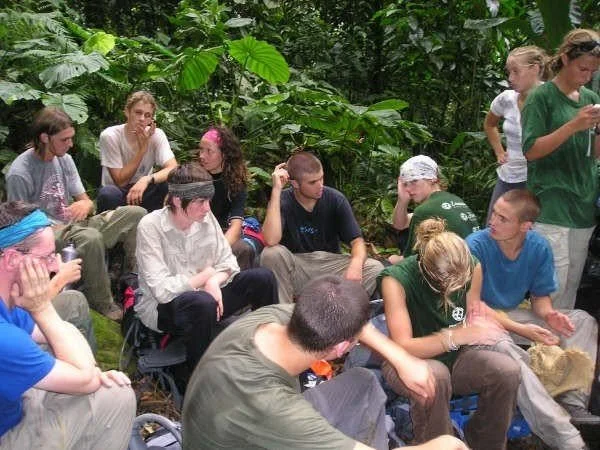
A few weeks ago, I found an old hard drive from 15 years ago. After finding the right cable to connect everything up, I came across a set of photos I had not seen in over a decade. A group of sixteen- and seventeen-year-olds deep in the jungle of Venezuela, looking happy yet tired. I was there; I even had hair back then, which feels worth noting because it definitely dates the photos.
These were the images from a month-long expedition to Venezuela with World Challenge, and it was without question the touch paper that paved the way for my career to date.
Getting There
It is definitely worth mentioning how I ended up starting the trip in Venezuela, as this part was as much of a lesson as anything else that happened during the trip.
I spent the best part of a year saving for the trip, working lifeguarding shifts and doing bag-packing sessions at Sainsbury’s on weekends to fund it. It felt relentless at the time but turned out to be one of the more useful lessons of my adolescence before we even set foot in Venezuela.
In my subsequent expeditions, I’ve found that there’s a different quality to something you’ve had to work for, and a different level of attention you bring to the trip. By the time we set off, I knew exactly what it had cost me in hours and early mornings to get there. In hindsight, this level of effort to reach the start line enhanced everything that followed.
It is something I often return to when thinking about new expeditions. The idea that a degree of investment, whether financial, physical, or both, changes your relationship to an experience before it even begins. It changes your mindset, and you arrive differently when you’ve had to earn your place.
The Trip
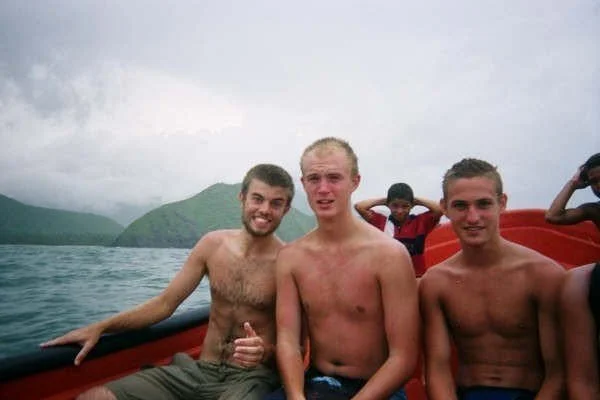
Venezuela in the 2000s was an extraordinary place to take a group of teenagers, and in four weeks we covered a remarkable amount of the country. We trekked through the jungle to a remote coastal area, took a three-day trip by flight, boat, and hike to visit Angel Falls, and climbed Roraima, an ancient tepui mountain on the border of Venezuela, Brazil, and Guyana. For anyone who has seen the Pixar film Up, Roraima and the surrounding mountain range provided much of the visual inspiration for the landscape, which gives a reasonable sense of what it feels like to stand on top of it and why it stays with you.
It was a month of doing things that were harder than expected and more rewarding than I could have imagined, often at the same time. It taught me that satisfaction and hardship are not mutually exclusive, and I have spent the past twenty years actively seeking this combination.
What Followed
Before the trip, I already aspired to join the Royal Marines, but Venezuela confirmed this desire. It showed me clearly what I was drawn to when left to my own devices, what kind of environment brought out the best in me, and what sort of life I wanted, one built around discovery, physical challenge, and the satisfaction that comes from doing something hard and coming through the other side of it.
I went on to spend 13 years in the Royal Marines, which I loved, and left a few years ago to undertake a solo, unsupported expedition across Antarctica before setting up my own adventure company, Pole to Pole, based in northern Sweden. The thread running from a group of teenagers in Venezuela to a permanent base in Swedish Lapland is fairly straightforward, even if it took a while to get there.
Why This Matters
Venezuela has had a difficult couple of decades since our visit, compounded by the recent earthquakes, and it deserves better than the narrative it has attracted recently. It is an extraordinary country with a culture and warmth that have stayed with me over the past 20 years, and it is somewhere I intend to return one day.
The reason for writing this is not really about Venezuela, but about what a trip like that does to a young person’s understanding of what they are capable of, and how early understanding arrives matters more than most people in education give it credit for. Pushing young people safely beyond what they thought possible, in an environment that asks something of them and gives something meaningful back, sets a course that no amount of classroom time could ever replicate.
My advice to anyone of a similar age to me in 2006 is to take the leap and do something that makes you nervous or slightly uncomfortable. The discomfort is temporary, but the life lessons it provides are not.