Beyond the Itinerary: How ADVENTURE DeliverS Learning, Leadership & Life Skills
Adventure as a classroom - and why growth happens when we step outside our comfort zone.
We often talk about the classroom as the centre of learning, but the truth is, some lessons simply don’t fit within four walls. Real growth, the kind that changes how young people see themselves and the world around them, happens when they step outside their comfort zone and into something unfamiliar.
Adventure isn’t just about the destination or the activity. It’s about facing the unknown, dealing with challenge, and discovering strengths that don’t usually get tested in day-to-day life. Out there; in rainforest, on a mountain trail, or camped under the stars, young people develop soft skills that shape them far beyond the expedition. Skills like resilience, communication, leadership, teamwork, and self-awareness. Skills that will carry them into adulthood, future careers, and every future challenge that comes their way.
These aren’t theoretical concepts to be learned from a textbook. They’re powerful lived experiences.
Resilience: Learning to Keep Going When You Want to Give in
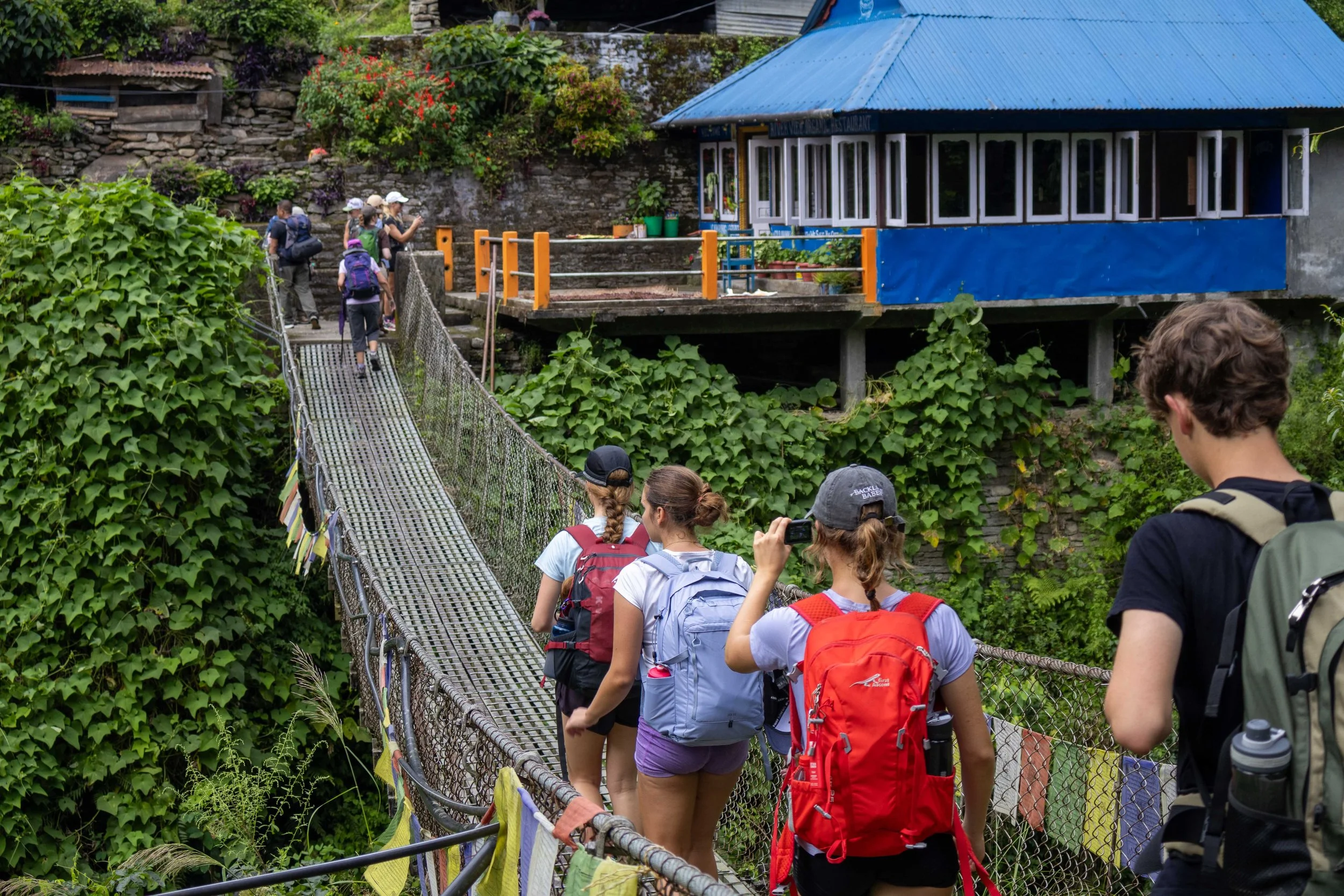
It’s day three of a four-day trek through a humid rainforest. Your legs are aching, sleep hasn’t been great, and the finish line feels impossibly far away. No matter how beautiful the surroundings, there’s no avoiding the physical and mental challenge.
But this is exactly where resilience is born.
There’s no shortcut, no option to opt out. You keep going because the group needs you, because you’ve committed to the journey, and because quitting isn’t an option. Every muddy step, every tough moment faced head-on, teaches something that can’t be replicated in a classroom discussion.
You discover that setbacks aren’t failures, they’re just part of the journey.
And that feeling of getting through it? It sticks. Long after the trek is over, young people carry that memory of perseverance into school, work, and whatever life throws at them next.
Communication: Speaking Clearly, Listening Better
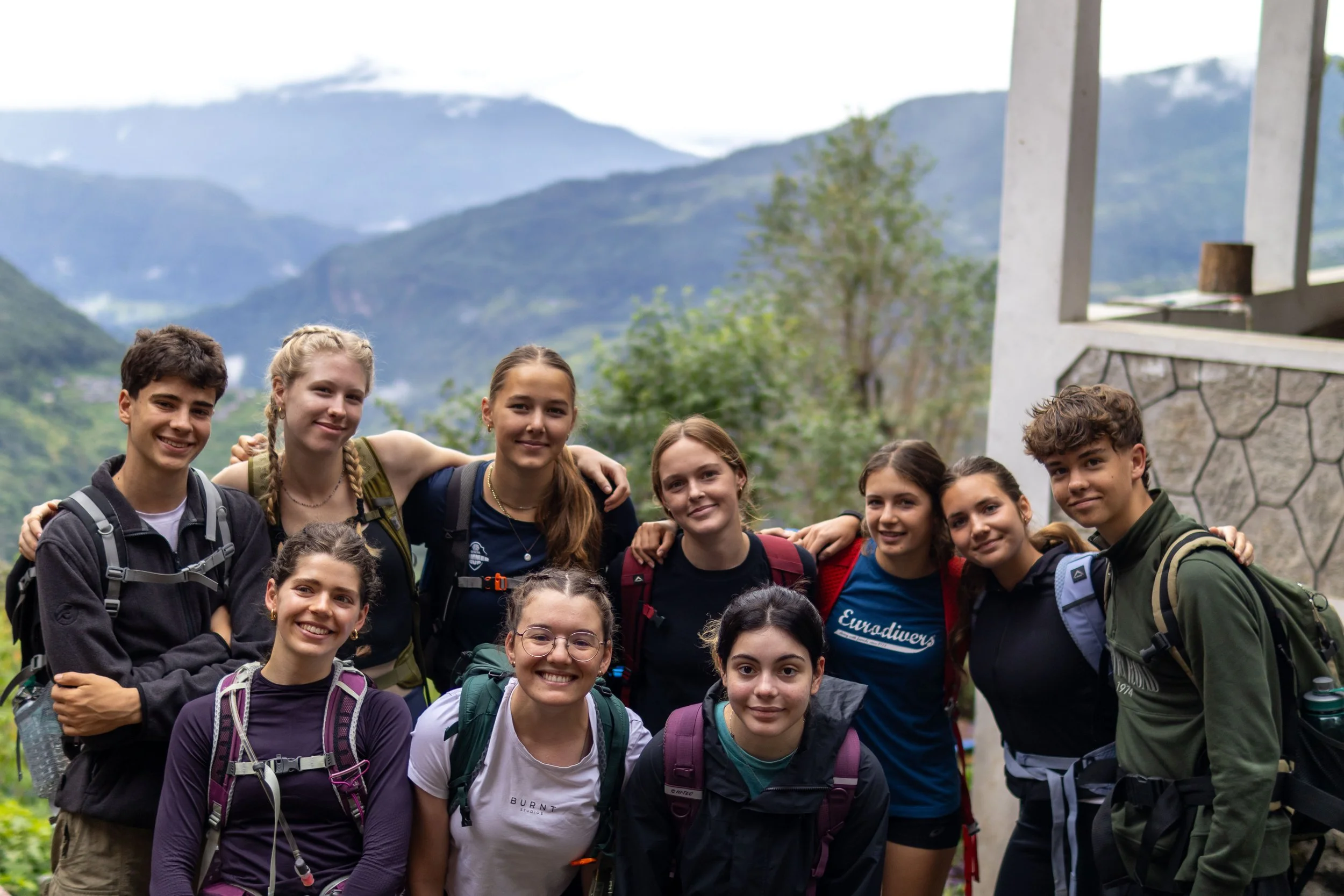
On expedition, communication becomes a necessity, not a skill to practise someday. Whether navigating through dense undergrowth, deciding the best place to pitch tents before dark, or resolving disagreements during a long day, the way a group communicates directly affects how smoothly things unfold.
In these moments, young people learn that communication isn’t just talking. It’s listening properly, hearing what’s actually being said rather than jumping to conclusions. It’s recognising when emotions are running high and choosing clarity over frustration. It’s learning to work through misunderstandings, even when everyone is tired and things feel tense.
When plans inevitably shift-and they will-adaptability becomes just as important as speaking up. These situations push young people to develop communication skills that last far beyond the expedition and become useful in everyday life; at home, in friendships, and later in the workplace.
Leadership: Knowing when to Take the Lead and when to Step Back
At school, leadership is often something assigned; a badge, a title, a position. But on expedition, leadership is earned through action.
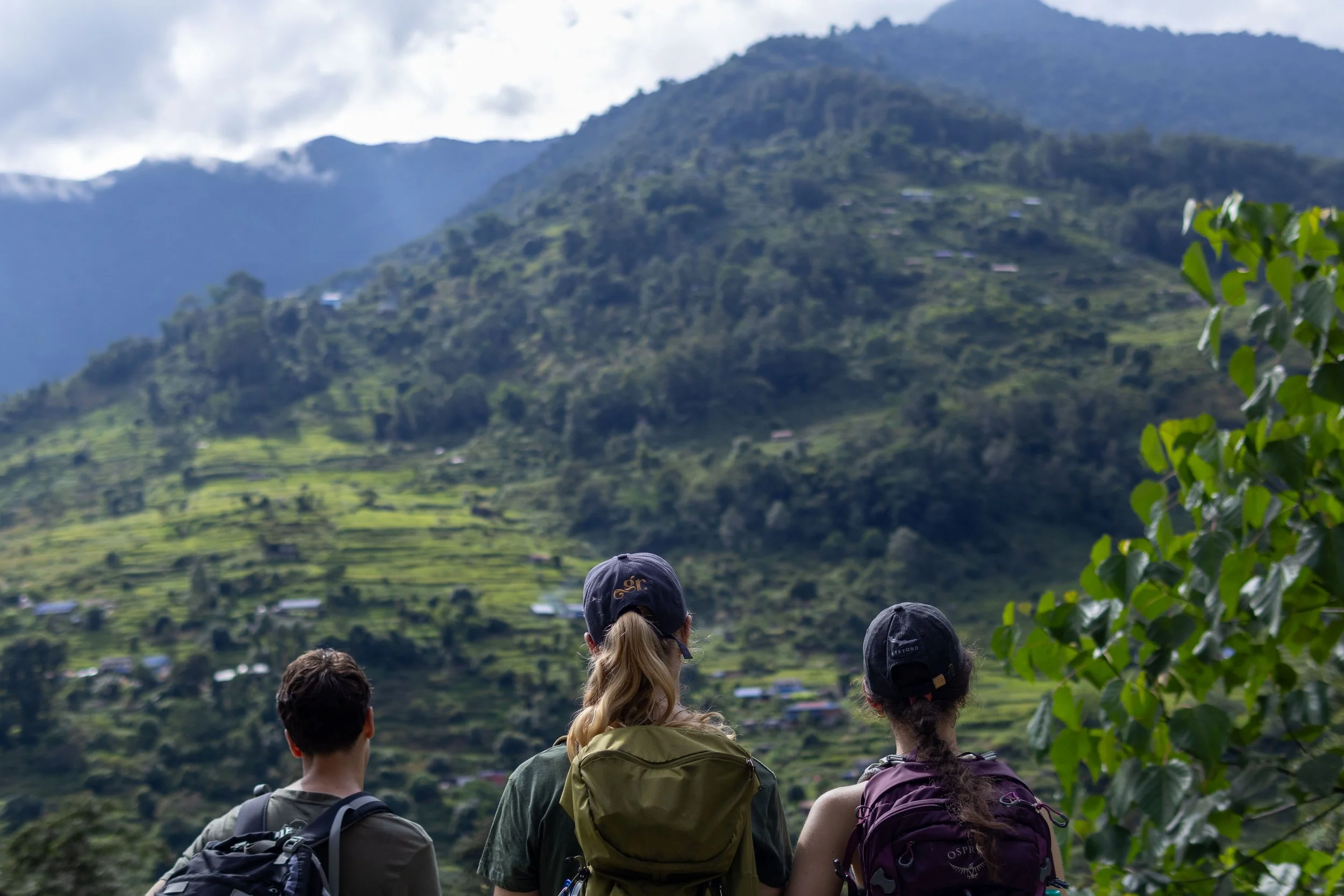
One day you might be the person making decisions when the group isn’t sure which direction to take. Another day, someone else steps up because their strengths match the challenge better. Leadership on expedition is fluid. It teaches young people that being a good leader isn’t about always being in charge, it’s about responsibility, awareness, and supporting the group as a whole.
Sometimes leadership looks like taking the initiative. Other times it looks like encouraging a teammate who’s struggling, or recognising when someone else’s idea is better than your own. These real-world experiences are the kind that prepare young people for future roles, careers, and communities far more effectively than a given title ever could.
Teamwork: Achieving More Together than Alone
Adventure has a way of highlighting just how much we rely on each other. Even the simplest tasks like cooking a meal, navigating a route, or managing kit, require cooperation. As the days pass, young people begin to notice the strengths each person brings; the planner, the motivator, the problem-solver, the steady presence who keeps morale up.
Teamwork becomes more than a concept. It becomes the reason the group gets through difficult days.
Challenging moments show how essential it is to support each other, share the load, and recognise when someone needs a boost. This creates trust, connection and the understanding that a team’s success is built on more than individual effort. These are lessons that travel back home and continue to shape how young people build relationships and work with others.

Self-Awareness: Discovering what You're Really Made of
One of the most valuable parts of any expedition is the way it removes the usual distractions. Without phones, schedules, and the comforts of home, young people meet themselves in a more honest way.
A tough climb or long day under the sun brings emotions to the surface, frustration, pride, fear, determination. These moments reveal true strengths and highlight areas for growth. When challenges arise, emotional resilience becomes just as important as physical stamina. Young people learn how to stay calm under pressure, how to manage their reactions, and when it’s okay to ask for help.
This self-awareness doesn’t end when the expedition does. It becomes a foundation they build on for years.
Where the Real Learning Happens
An expedition is more than travel. It’s a catalyst for growth.
Yes, young people learn practical skills-navigation, budgeting, camp craft, cultural understanding-but the deeper lessons come from the experience itself. From being pushed, stretched, and encouraged to reflect on who they are and what they can do.
These are lessons that stay with them. Lessons that shape how they approach challenges, relationships, and opportunities throughout life.
Adventure may not look like a traditional classroom, but for young people that go out on expedition, it becomes the most influential classroom they ever step into. And the skills they gain there truly last. Because when the challenges are real, so are the rewards.