Designing adventures that work
Why simplicity, flow, and clarity matter more than complexity when it comes to student adventure travel.
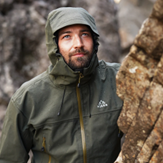
I’ve spent years leading expeditions around the world, from the high plains of Morocco to the coastlines of Madagascar and throughout Asia. I’ve also spent plenty of time behind a desk, shaping new itineraries and onboarding in-country providers.
That mix of field leadership and programme design has taught me something important: impactful expeditions don’t need to be complicated, they just need to work.
When the Plan Fits the Place
There’s a rhythm to a well-built expedition. You feel it when routes make geographical sense, when transitions are smooth, and when the pace of travel gives the group room to breathe.
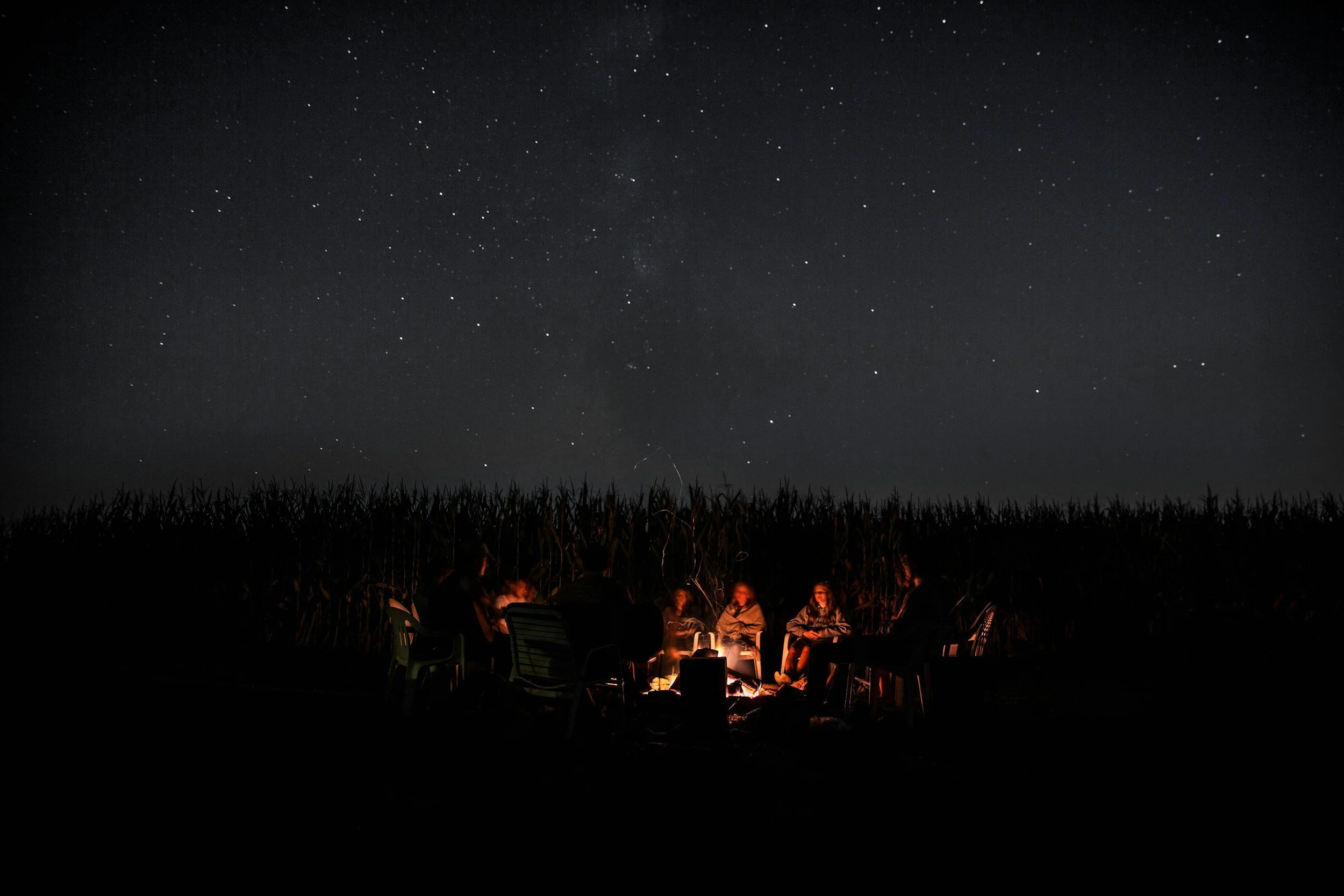
One evening in a Borneo jungle reminded me of that. The team were tired, the humidity heavy. No one was talking, just quietly getting on with what needed doing. One group filtered water from the river; another gathered firewood for the evening meal.
It wasn’t dramatic, but it was powerful. In that space, students showed teamwork, initiative, and calm - not because of a complex itinerary, but because the plan gave them space to experience something real.
Behind the Scenes: Building Flow
Good expeditions look effortless, but that effortlessness takes work. The aim is always clarity: clear pacing, clear communication, clear roles.
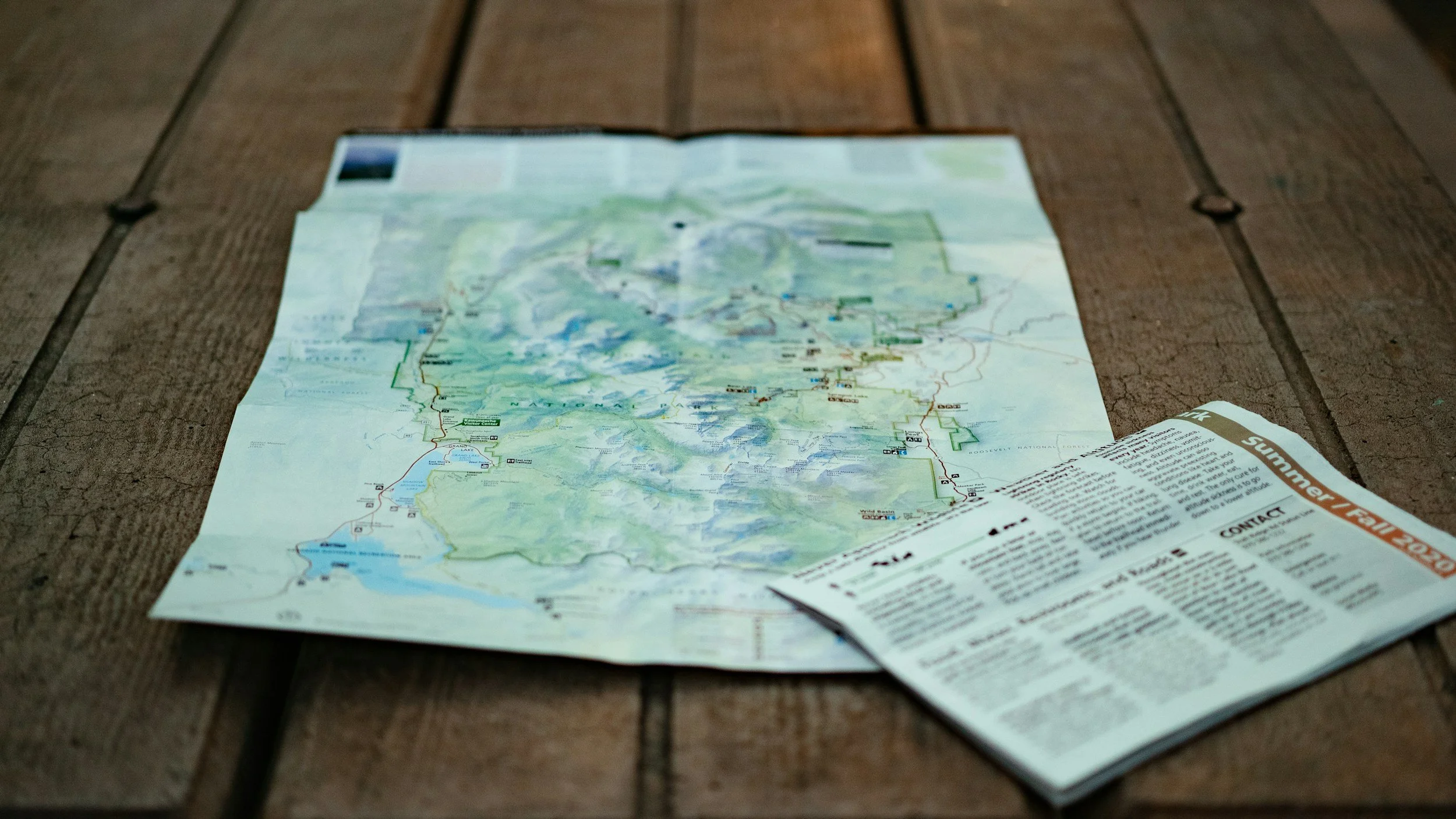
Working with the right in-country providers makes a huge difference. When everyone understands the purpose of each stage, the whole journey feels joined up. Miscommunication, rushed transfers, or over-packed itineraries can easily distract from the learning at the heart of the experience.
From the desk side, success often comes down to removing friction. Cutting away the noise so that what’s left supports the outcome we’re aiming for.
Space for the Right Kind of Challenge
When a programme runs smoothly, it creates space for the good kind of challenge. The moments that test and stretch students, not the ones that wear them down.
Space to reflect: time to process what’s happening, rather than rushing on.
Space to adapt: the flexibility to respond to weather, group energy, or a new opportunity.
Space to connect: when teachers aren’t firefighting logistics, they can focus on mentoring and support.
These are the moments where confidence builds naturally, and where the learning feels lasting.
Adventure, by Design
Whether I’m out in the field or sketching the first draft of an itinerary, my goal is the same: to create a journey that feels natural, purposeful and human.
Adventure will always have its unpredictable edges - that’s what makes it meaningful - but with good design and strong partnerships, those edges become opportunities rather than obstacles.
In the end, great expeditions aren’t defined by how far they go or how complex they are. They work because they’re built with clarity, care, and an understanding of what really matters.
That’s what turns travel into transformation.