The Value of Cultural Humility
Great adventures aren’t just about where we go, but how we arrive. Seb reflects on why curiosity, humility, and listening matter more than confidence or answers when students step into new cultures.
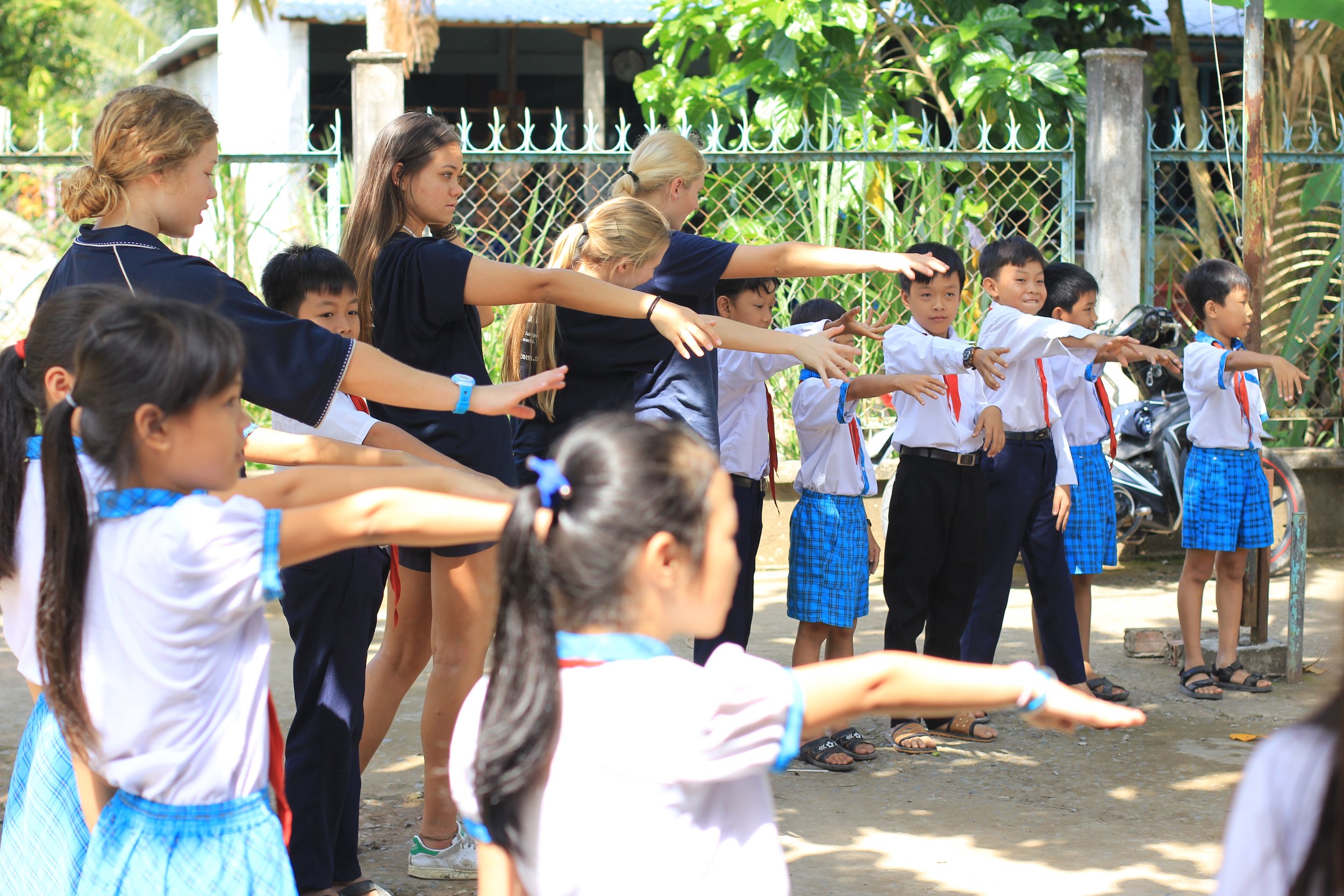
Students arrive in-country with rucksacks full of kit, but it’s the mindset they carry that matters most. Over the years, through villages and remote communities across Asia and Africa, one concept has always stood out to me as crucial to every expedition: cultural humility.
Not cultural knowledge, or the confidence to ‘give back’, but humility: the willingness to listen first, understand slowly, and accept that we are learners, not experts.
Curiosity Over Certainty
Often, young people step into a new culture ready to share what they know. But the real growth comes when they begin asking questions instead of offering answers.
I’ve watched groups settle into homestays where the daily rhythm felt unfamiliar: meals eaten on the floor, water collected at dawn, tools used in ways they’d never seen before. At first, it can feel uncomfortable. But as soon as students shift from “Why do they do it like that?” to “Can you show me how?”, everything changes. Curiosity opens doors that overconfidence can close.
Being a Guest, Not a Spectator
There’s a difference between observing a community and participating in it. Expeditions work best when students understand that they’ve been welcomed, not just accommodated.
I remember a team in Madagascar spending an afternoon helping a homestay prepare food for an extended family gathering. It was slow, messy, and full of laughter. Not a structured activity, just a chance encounter that resulted in a deep connection, formed while preparing fruits and peeling vegetables under the shade of a wooden stilt house. Later, one of the students told me it was the moment she realised she wasn’t just “on a trip”; she was being trusted with something real. That kind of experience doesn’t come from itineraries alone. It comes from approach.
Partners Who Make Learning Possible
Strong in-country partners are vital to fostering cultural humility. They’re the ones who translate not just language, but intention. They set the tone for how we enter a space, how we behave within it, and how we show appreciation.
When partners model respectful engagement - slowing things down, introducing students properly, explaining local customs with patience - students follow that lead. They learn that every interaction is part of the experience, not just an add-on between activities.
Good partnerships don’t only support logistics, they can shape values.
Leaving with More Questions Than Answers
The best expeditions don’t give students a neat picture of a culture; they leave them wanting to learn more. Isn’t that the point? Cultural humility means understanding that a short stay, no matter how immersive, offers only one perspective.
If students come home thinking, “I want to understand this better,” then we’ve done our job.
Why It Matters
Cultural humility strengthens connection, deepens resilience, and transforms what students take away from their journey. It invites them to look beyond themselves, to recognise complexity, and to value different ways of seeing the world.
As leaders, we can’t script these moments, but we can create the conditions for them, because when students approach a new culture with respect and curiosity, an expedition becomes more than travel - it becomes a conversation.